

When we think about energy, we often think about sleep, exercise, or calories. But there is another important part of the picture: the food we eat.
Among the main nutrients in our diet, carbohydrates have a particularly important role. They are one of the body’s major sources of energy and are found in many everyday foods.
But what exactly are carbohydrates, and why does our body need them?
What Are Carbohydrates?
Carbohydrates are nutrients found naturally in many foods. When we eat them, our digestive system breaks them down into smaller molecules that the body can use for energy.
One of the main substances produced from carbohydrate digestion is glucose. Glucose can be used by the body’s cells to produce energy for everyday activities.
In simple words, carbohydrates help provide the fuel our body needs to function.
Why Does the Body Need Carbohydrates?
Our body is constantly using energy—even when we are sitting, studying, sleeping, or simply breathing.
Carbohydrates can provide energy for many of these activities. They are especially important for organs and tissues that rely heavily on glucose for their energy needs.
This is why carbohydrates are not simply something that should be viewed as “fattening food.” Their role in the diet is much broader than that.
Carbohydrates and Everyday Energy
Think about starting your day with breakfast before going to school, university, or work.
A meal containing foods such as oats, whole-grain bread, fruit, or other carbohydrate-containing foods can contribute to your body’s energy supply.
During the day, that energy is used for activities such as:
- Walking and exercising
- Studying and concentrating
- Working
- Performing daily physical activities
The amount of energy a person needs varies, but carbohydrates can be an important part of meeting those needs.
Where Do We Get Carbohydrates From?
Carbohydrates are present in many foods that people eat regularly.
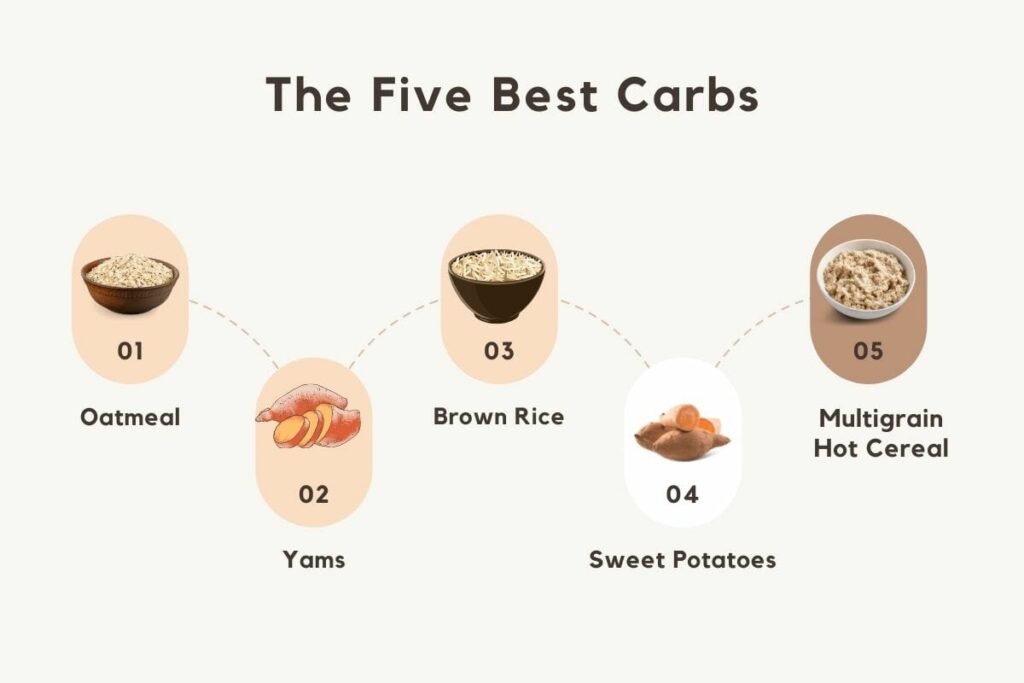
Common sources include:
- Rice
- Bread and whole grains
- Oats
- Potatoes
- Fruits
- Vegetables
- Beans and other plant foods
- Milk and some dairy foods
This shows that carbohydrates are not limited to sweets, desserts, or sugary drinks. They can also come from nutritious foods that provide other important nutrients.
Are All Carbohydrate Foods the Same?
Not necessarily.
A carbohydrate-containing food can offer much more than carbohydrates alone. For example, whole grains, fruits, vegetables, and legumes can also provide fiber, vitamins, minerals, and other beneficial compounds.
This is why looking at the whole food is more useful than judging a food only by the fact that it contains carbohydrates.
A balanced diet is not about completely removing carbohydrates. It is about choosing a variety of nutritious foods and maintaining an overall balanced eating pattern.
Carbohydrates and Fiber
Some carbohydrate-containing foods are also important sources of dietary fiber.
Fiber is not digested in the same way as many other carbohydrates. It can support normal digestive function and is an important part of a healthy diet.
Foods such as whole grains, fruits, vegetables, beans, and other plant foods can contribute fiber to the diet.
So when choosing carbohydrate foods, it can be helpful to consider what else the food provides, not just its carbohydrate content.
Should You Avoid Carbohydrates?
For most people, there is no general need to completely eliminate carbohydrates from the diet.
Carbohydrates are a major source of energy, and many nutritious foods contain them.
Instead of thinking about carbohydrates as simply “good” or “bad,” it is more useful to consider:
What food is the carbohydrate coming from?
A piece of fruit and a sugary soft drink both contain carbohydrates, but they do not provide the same overall nutritional value.
The quality and variety of the overall diet matter.
Conclusion:
Carbohydrates are a basic but important part of nutrition. They help provide energy for the body and are found in a wide range of everyday foods.
Rather than fearing carbohydrates or removing them completely, understanding their role can help us make more informed food choices.
Carbohydrates are not just about energy—they are part of the bigger picture of a balanced diet.