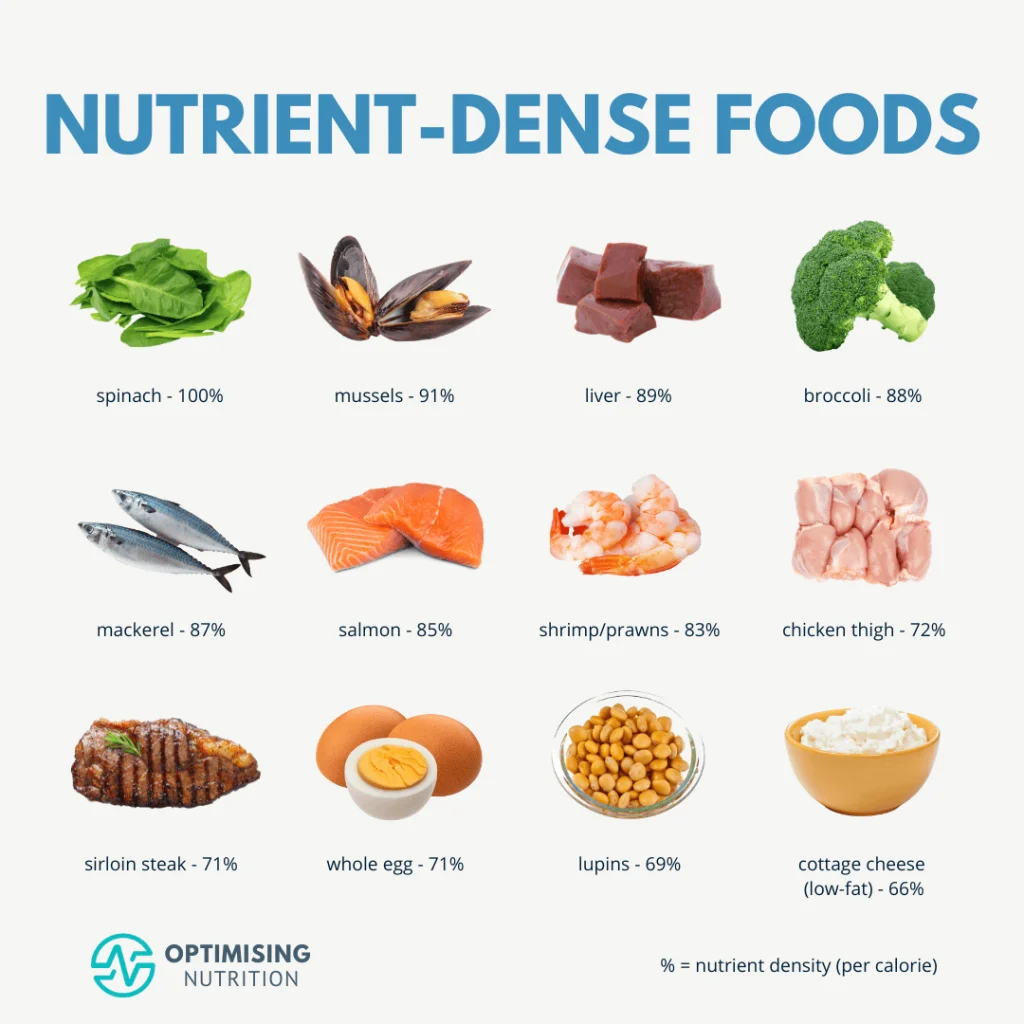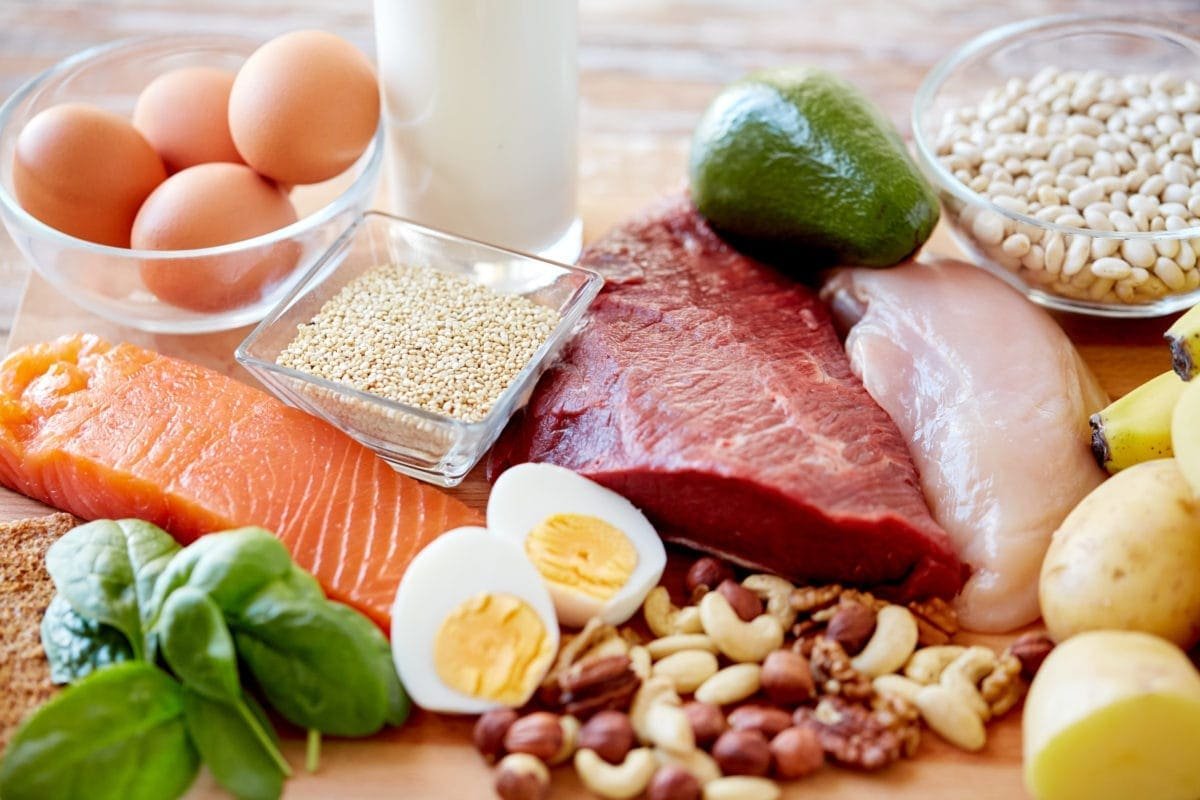
When it comes to healthy eating, it is not only about how much food we eat but also about how much nutrition we get from it. Some foods provide a large amount of vitamins, minerals, protein, fiber, and other beneficial nutrients without adding excessive calories. These foods are known as nutrient-dense foods.
Including nutrient-dense foods in your daily meals can help support overall health, energy levels, and a balanced diet.
What Are Nutrient-Dense Foods?
Nutrient-dense foods are foods that provide many essential nutrients relative to the number of calories they contain.
For example, leafy green vegetables provide vitamins, minerals, fiber, and other beneficial compounds while generally being low in calories. On the other hand, foods that are high in calories but provide relatively few essential nutrients are considered less nutrient-dense.
Nutrient density does not mean that you need to avoid foods that are higher in calories. Instead, it means making nutritious foods a regular part of your overall diet.
Examples of Nutrient-Dense Foods
Many foods can contribute important nutrients to a balanced diet. Some of the best examples include:
1. Leafy Green Vegetables
Spinach, kale, mustard greens, and other leafy vegetables are rich in nutrients such as vitamin K, folate, vitamin C, and carotenoids.
They can be added to salads, soups, curries, sandwiches, or cooked as part of a meal.
Image suggestion: Add a simple photo of a bowl of fresh leafy greens here.
2. Eggs
Eggs are a convenient source of high-quality protein and provide several vitamins and minerals, including vitamin B12, selenium, and choline.
They can be prepared in many ways and are easy to include in breakfast or other meals.
3. Fish
Fish provides high-quality protein and several important nutrients. Fatty fish such as salmon, sardines, and mackerel are also sources of omega-3 fatty acids, which are important for normal body functions.
Including a variety of fish as part of a balanced diet can help increase the nutritional value of meals.
4. Legumes
Beans, lentils, and chickpeas are affordable and nutritious foods. They provide plant-based protein, fiber, folate, iron, and other minerals.
For many people, legumes are an important part of everyday meals and can be used in soups, salads, curries, and other dishes.
5. Nuts and Seeds
Nuts and seeds such as almonds, walnuts, chia seeds, flaxseeds, and pumpkin seeds provide healthy fats, protein, fiber, vitamins, and minerals.
Because they are energy-dense, moderate portions can be a practical way to add nutrients to meals and snacks.
6. Fruits
Fruits such as berries, oranges, guava, apples, and bananas provide different combinations of vitamins, minerals, fiber, and other beneficial plant compounds.
Choosing a variety of fruits helps provide a wider range of nutrients.
7. Whole Grains
Whole grains such as oats, brown rice, whole-wheat bread, and other minimally processed grains contain more fiber and nutrients than refined grains.
They can be included as part of balanced meals to provide carbohydrates along with fiber and other nutrients.
8. Dairy and Fortified Alternatives
Milk, yogurt, and other suitable dairy products can provide nutrients such as calcium, protein, vitamin B12, and other vitamins and minerals.
For people who do not consume dairy, fortified plant-based alternatives can also contribute important nutrients, depending on the product.
Nutrient-Dense Foods vs. Energy-Dense Foods
It is useful to understand the difference between nutrient density and energy density.
- Nutrient-dense foods: Provide a wide range of essential nutrients relative to their calories.
- Energy-dense foods: Provide a relatively large number of calories in a small amount of food.
Some foods can be both nutritious and energy-dense. For example, nuts contain healthy fats, protein, fiber, and minerals but also provide a significant amount of calories in a small portion.
Therefore, healthy eating is not about completely avoiding calorie-dense foods. It is about choosing appropriate portions and maintaining variety and balance.
Why Choose Nutrient-Dense Foods?
Making nutrient-dense foods a regular part of your diet can help you meet your body’s nutritional needs.
A diet containing a variety of vegetables, fruits, whole grains, protein-rich foods, and healthy fat sources can provide many of the nutrients needed for normal body functions.
Nutrient-dense choices may also make meals more satisfying because foods such as vegetables, fruits, legumes, and whole grains can provide fiber and other nutrients.
How to Add More Nutrient-Dense Foods to Your Diet
You do not need to completely change your diet to eat more nutrient-dense foods. Small changes can make a difference.
Try these simple habits:
- Add vegetables to lunch and dinner.
- Choose whole fruits instead of relying mainly on fruit juices.
- Include beans, lentils, or chickpeas regularly.
- Choose whole-grain options when possible.
- Add a small portion of nuts or seeds to meals or snacks.
- Include a variety of protein sources.
- Choose minimally processed foods more often.
- Drink water regularly instead of relying mainly on sugary drinks.
- Aim for variety rather than eating the same foods every day.
A Simple Nutrient-Dense Plate
A balanced meal does not have to be complicated. One simple approach is to include:
Vegetables + Protein + Whole Grains or Other Carbohydrates + Healthy Fat
For example, a meal could include grilled fish or lentils, a serving of vegetables, brown rice or whole-wheat roti, and a small amount of nuts, seeds, or another healthy fat source.
The exact foods and portions can vary depending on individual nutritional needs, preferences, culture, and lifestyle.
Image suggestion: Add a simple balanced-meal plate image here showing vegetables, a protein source, whole grains, and a small healthy-fat source.
Final Thoughts
Nutrient-dense foods can be an important part of a healthy and balanced eating pattern. Foods such as vegetables, fruits, legumes, whole grains, eggs, fish, nuts, seeds, and dairy or suitable fortified alternatives can provide a wide variety of essential nutrients.
Rather than focusing on one particular “superfood,” aim to eat a variety of nutritious foods regularly. A balanced diet built around different food groups can help you get a broader range of nutrients while making your meals more enjoyable and sustainable.
Remember, healthy eating is not about perfection. It is about making nutritious choices consistently and finding a balance that works for you.