
Nutrition is an essential part of everyday life. Every meal and snack we eat provides our body with nutrients that help us produce energy, support growth, repair tissues, and maintain overall health. But with so much information about diets, calories, and “healthy” foods, understanding nutrition can sometimes feel confusing.
The good news is that nutrition does not have to be complicated. Learning a few basic principles can help you make better food choices and understand what your body needs.
What Is Nutrition?
Nutrition is the process through which our body gets and uses nutrients from the foods and drinks we consume.
Nutrients are substances that our body needs to function properly. They help provide energy, build and repair tissues, support the immune system, and keep important body processes working.
The nutrients we need are generally divided into two main groups:
- Macronutrients: carbohydrates, proteins, and fats
- Micronutrients: vitamins and minerals
Water is also an essential part of a healthy diet and is necessary for many functions throughout the body.
Why Is Nutrition Important?
Good nutrition supports the body in many ways. A balanced diet can help provide the energy needed for daily activities while supplying nutrients required for normal growth, development, and body functions.
Nutrition also plays an important role in maintaining healthy bones, muscles, the immune system, and other body processes.
Rather than focusing on one particular food or nutrient, healthy eating is about the overall pattern of foods you regularly consume.
The Main Nutrients Your Body Needs
1. Carbohydrates
Carbohydrates are one of the body’s main sources of energy. They are found in foods such as fruits, vegetables, grains, potatoes, beans, and lentils.
Choosing nutrient-rich sources of carbohydrates can provide not only energy but also important vitamins, minerals, and fiber.
2. Protein
Protein helps the body build and repair tissues. It is also involved in many important processes within the body.
Good sources of protein include eggs, fish, poultry, dairy products, beans, lentils, nuts, seeds, and other plant-based foods.
3. Fats
Fats are an important source of energy and help the body absorb certain vitamins. They also play important roles in cells and other body functions.
Sources of healthier fats include nuts, seeds, avocados, olive oil, and some types of fish.
4. Vitamins and Minerals
Vitamins and minerals are needed in smaller amounts than carbohydrates, protein, and fat, but they are still essential for health.
Different vitamins and minerals have different functions. For example, calcium supports normal bone health, while iron is important for the production of hemoglobin.
Eating a variety of foods is one way to help your body get a wide range of vitamins and minerals.
5. Water
Water is essential for life. The body uses water for many functions, including temperature regulation, digestion, and transporting substances throughout the body.
Drinking enough fluids throughout the day is an important part of healthy nutrition.
What Does a Balanced Diet Mean?
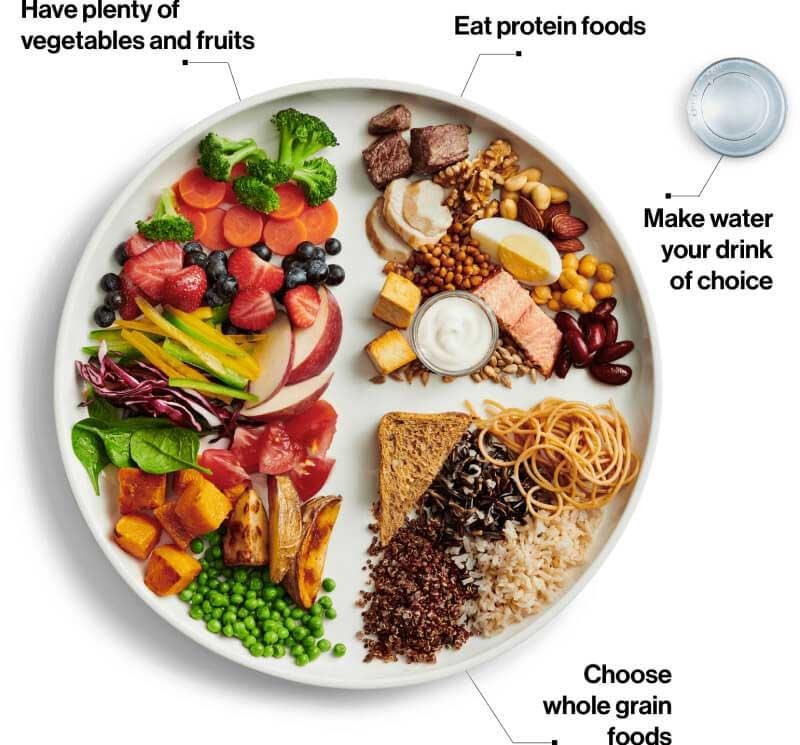
A balanced diet means eating a variety of foods in appropriate amounts so that your body can receive different nutrients.
A balanced eating pattern can include:
- Fruits and vegetables
- Whole grains and other nutritious carbohydrate sources
- Protein-rich foods
- Healthy sources of fats
- Dairy or suitable alternatives
- Plenty of water
No single food provides everything the body needs. This is why variety is one of the key principles of healthy eating.
Nutrition Is More Than Counting Calories
Calories are a measure of energy, but nutrition is about much more than calories.
Two foods may contain a similar number of calories while providing very different amounts of vitamins, minerals, protein, fiber, and other nutrients.
Instead of looking only at calories, it can be helpful to consider the overall nutritional value of the foods you eat.
Simple Ways to Improve Your Nutrition
You do not need to completely change your diet overnight. Small, consistent changes can make healthy eating easier.
Try to:
- Add more fruits and vegetables to your meals.
- Choose a variety of protein sources.
- Include whole grains and fiber-rich foods regularly.
- Drink water throughout the day.
- Limit highly processed foods that are high in added sugar, sodium, or unhealthy fats.
- Pay attention to portion sizes.
- Focus on variety rather than trying to find one “perfect” food.
Conclusion:
Nutrition is about giving your body the nutrients it needs through the foods and drinks you consume. Understanding the basics of carbohydrates, proteins, fats, vitamins, minerals, and water can make healthy eating much easier to understand.
You do not need a perfect diet to eat well. A balanced approach, a variety of nutritious foods, and healthy habits over time can make a meaningful difference.
At Nutriva, our goal is to make nutrition simple, practical, and easy to understand—so you can make informed choices about the food you eat every day.